
Water Damage Restoration in Waco, TX
Water Damage Restoration in Waco for homes and businesses affected by leaks, flooding, or plumbing failures
When water enters your Waco, Texas home or business, fast action can make a major difference. A burst pipe, overflowing appliance, roof leak, sewage backup, storm, or flooding can quickly saturate flooring, drywall, insulation, cabinets, and structural materials. Lone Star Flood Restoration provides professional water damage restoration in Waco, TX, helping homeowners and businesses remove standing water, dry affected areas, prevent secondary damage, and begin the restoration process as quickly as possible. Our team serves Waco and surrounding Central Texas communities with emergency-focused water removal and restoration services.
Waco has a unique relationship with water. The city sits along the Brazos River in the Brazos Valley, with Lake Waco and numerous tributaries and creeks influencing the area's drainage and flood conditions. Waco has experienced significant flooding throughout its history, including major floods in 1885, 1913, 1936, and 1957. The construction and expansion of Lake Waco and other flood-control projects helped reduce some of the historic river flooding, but heavy rainfall can still create flash flooding and localized drainage problems.
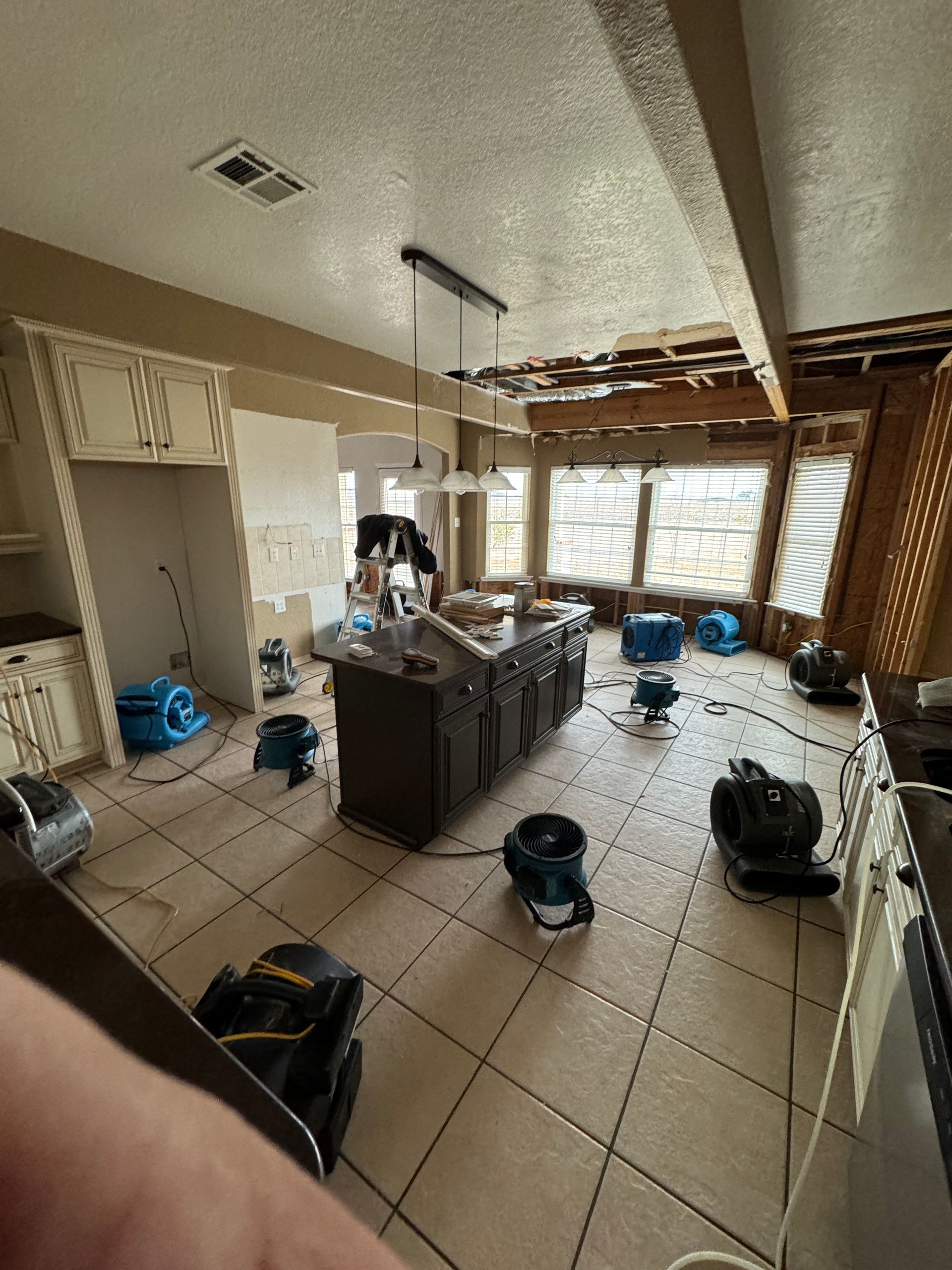
Water Removal and Structural Drying in Waco
Water damage should never be treated as something that can simply dry on its own. Even when visible standing water disappears, moisture can remain underneath flooring, inside walls, beneath cabinets, in insulation, and around structural materials. Hidden moisture can contribute to odors, deterioration, and mold growth if it is not properly identified and addressed.
Lone Star Flood Restoration can respond to many different types of water emergencies throughout Waco. Our water damage restoration process is designed to identify the source and extent of the damage, remove standing water, establish appropriate drying conditions, monitor moisture levels, and restore affected areas. We understand that every water loss is different, which is why the response needs to be based on the property's specific conditions.
Common Causes of Water Damage in Waco
Waco homeowners and businesses may experience water damage from:
- Burst or frozen pipes
- Broken water heaters
- Washing machine and dishwasher failures
- Refrigerator and ice-maker leaks
- Toilet and plumbing overflows
- Sewer backups
- Roof and ceiling leaks
- Storm-related water intrusion
- Flash flooding
- Foundation or drainage problems
- HVAC condensate leaks
- Supply-line failures
- Appliance leaks
- Commercial plumbing emergencies
Waco's intense thunderstorms and periods of heavy rainfall can create additional risks for homes and commercial properties. The National Weather Service notes that Central Texas experiences thunderstorms and severe weather, with flooding among the hazards that can occur during significant weather events.
Questions Before Starting Your Restoration
Water damage situations vary widely depending on the source, volume, and duration of exposure, so property owners in Waco often ask about process details before work begins.
How quickly does water extraction need to start after flooding occurs?
Extraction should begin within the first 24 to 48 hours to prevent materials from absorbing additional moisture and to reduce the risk of microbial growth, which accelerates rapidly once organic materials stay wet beyond that window.
What does moisture detection involve during the restoration process?
Moisture meters measure water content in wood, drywall, and concrete at multiple points throughout drying, with readings compared against baseline standards to confirm when materials have returned to normal levels and equipment can be removed.
Why does structural drying take several days even after standing water is gone?
Building materials absorb water deeply into their core, and surface drying doesn't mean interior moisture has evaporated; dehumidifiers and air movers need continuous operation to pull moisture from within wall cavities, subfloors, and ceiling assemblies where airflow doesn't naturally reach.
What happens if hidden moisture isn't addressed during cleanup?
Water trapped inside walls or under flooring continues to degrade materials, causing wood rot, adhesive failure, and conditions that support mold colonization, often requiring more extensive repairs months later than if proper drying had been completed initially.
How does water damage restoration differ after a burst pipe versus a roof leak?
Burst pipes typically release clean water under pressure that spreads quickly across floors, while roof leaks introduce water slowly over time and may carry debris or contaminants from the roof surface, affecting both the drying approach and the need for sanitization during cleanup.
Lone Star Flood Restoration provides moisture monitoring and complete structural drying to bring properties back to stable conditions after water intrusion. Request an evaluation to document current moisture levels and outline the restoration timeline for your specific situation.
