
Restoring Dry, Safe Space Below Grade
Basement Water Damage Restoration in Waco for flooded lower levels requiring extraction and structural drying
A flooded basement leaves standing water that seeps into porous concrete, drywall, insulation, and subflooring, creating conditions for microbial growth within 24 to 48 hours if moisture remains trapped. Lone Star Flood Restoration handles basement water extraction, structural drying, and dehumidification in Waco, addressing water intrusion from storm events, plumbing failures, or groundwater seepage. You get a dry basement where carpets, walls, and stored belongings are salvaged when possible, and moisture is eliminated from structural cavities that would otherwise support mold colonization.
Basement water extraction uses truck-mounted pumps and portable extractors to remove standing water from concrete floors and below-grade spaces where gravity drainage is not an option. Structural drying follows extraction, deploying industrial dehumidifiers and air movers to pull moisture from wall cavities, floor joists, and insulation layers that hold water long after visible pooling disappears. Carpet and flooring restoration depends on how long materials stayed submerged—padding typically requires replacement if saturation exceeds 24 hours, while carpet fibers can often be salvaged through hot water extraction and antimicrobial treatment.
Schedule a basement assessment to determine extraction requirements and drying timelines based on your current water level.
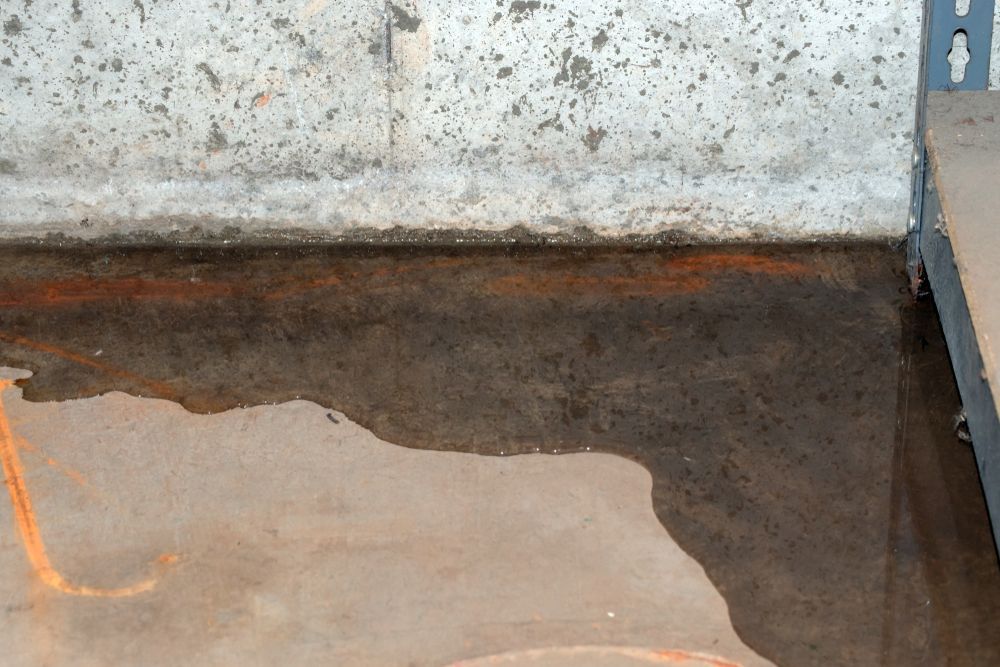
What Structural Drying Accomplishes in Flooded Basements
Basement drying involves more than surface water removal—moisture migrates into concrete block cores, between drywall layers, and beneath vinyl or laminate flooring, where it remains undetected without thermal imaging and moisture meters. Air movers position airflow to accelerate evaporation from wet surfaces, while dehumidifiers extract water vapor from the air before it condenses on cooler basement walls. Wall cavity drying uses injection ports to circulate warm, dry air behind drywall without requiring full demolition, preserving finished surfaces when framing and insulation can be dried in place.
Once drying equipment runs for the required cycle—typically three to five days depending on saturation depth—you notice floors are no longer cold or tacky underfoot, walls return to room temperature instead of feeling damp, and musty odors dissipate as trapped moisture escapes structural materials. Mold prevention depends on achieving moisture content below 15 percent in wood framing and below 12 percent in drywall, measured with pin-type and non-invasive meters to confirm materials meet safe thresholds before equipment is removed.
Basement restoration also addresses the moisture source—whether a foundation crack, failed sump pump, or sewer backup—so drying efforts are not repeated after the next rain event. Flooring replacement proceeds only after subfloor moisture drops to manufacturer-specified levels, preventing adhesive failure or buckling in new materials installed over incompletely dried surfaces.
What Homeowners Ask About Basement Flooding
Basement water damage raises concerns about equipment needs, drying duration, and whether finished spaces can be saved without full demolition.
What happens to finished drywall after basement flooding?
Drywall that stayed wet for less than 48 hours can sometimes be dried and treated if it shows no visible staining or soft spots, but baseboards are typically removed to allow airflow into wall cavities, and any insulation that absorbed water requires replacement since it loses thermal value and retains moisture.
How long does basement drying take after water extraction?
Drying timelines depend on saturation depth, airflow, and humidity levels—concrete slabs may take four to seven days to release absorbed moisture, while wood subfloors under carpet dry faster with direct air movement and dehumidification running continuously.
Why does mold prevention require more than just drying the floor?
Mold grows on any cellulose-based material with moisture content above 20 percent, including drywall paper backing, cardboard storage boxes, and wood framing—basement humidity must drop below 50 percent and stay there to prevent spore germination on surfaces that were wetted during flooding.
How is moisture measured inside walls without removing drywall?
Pin-type meters penetrate drywall to measure moisture in framing behind the surface, while non-invasive scanners detect moisture presence without creating holes, allowing technicians in Waco to map wet areas and track drying progress without unnecessary demolition.
What equipment runs during basement structural drying?
Industrial dehumidifiers extract several gallons of water per day from basement air, air movers create circulation patterns that target wet zones, and specialty drying mats or injectidry systems push air under flooring or into confined spaces where standing equipment cannot reach.
Lone Star Flood Restoration monitors basement moisture levels daily during drying cycles to adjust equipment placement and confirm progress toward safe thresholds. Request an on-site evaluation to assess your basement water damage and establish an extraction and drying plan tailored to your specific flooding conditions.
