
Structures Returned to Safe Condition After Flooding
Flood Damage Restoration in Waco for properties impacted by storm surges, overflowing waterways, or heavy rainfall events
Floodwater carries sediment, debris, and contaminants from outdoor sources, creating different restoration challenges than clean water leaks from internal plumbing systems. The water saturates building materials rapidly during flooding events, depositing mud and organic matter on floors and walls as water levels recede. Lone Star Flood Restoration manages floodwater extraction, debris removal, structural drying, and sanitization to return properties to safe occupancy after severe weather or river overflow affects Waco homes and businesses.
Flood damage restoration begins with removing standing floodwater and clearing mud, silt, and debris that settled during the event. Structural drying follows using industrial equipment positioned to pull moisture from walls, floors, and building cavities, while sanitization treatments address contamination from outdoor sources. The process accounts for the fact that floodwater typically affects larger areas and introduces more foreign material than isolated plumbing leaks.
Arrange an on-site evaluation to assess flood damage extent and outline the restoration phases required for your property.
What Changes After Flood Restoration Completes
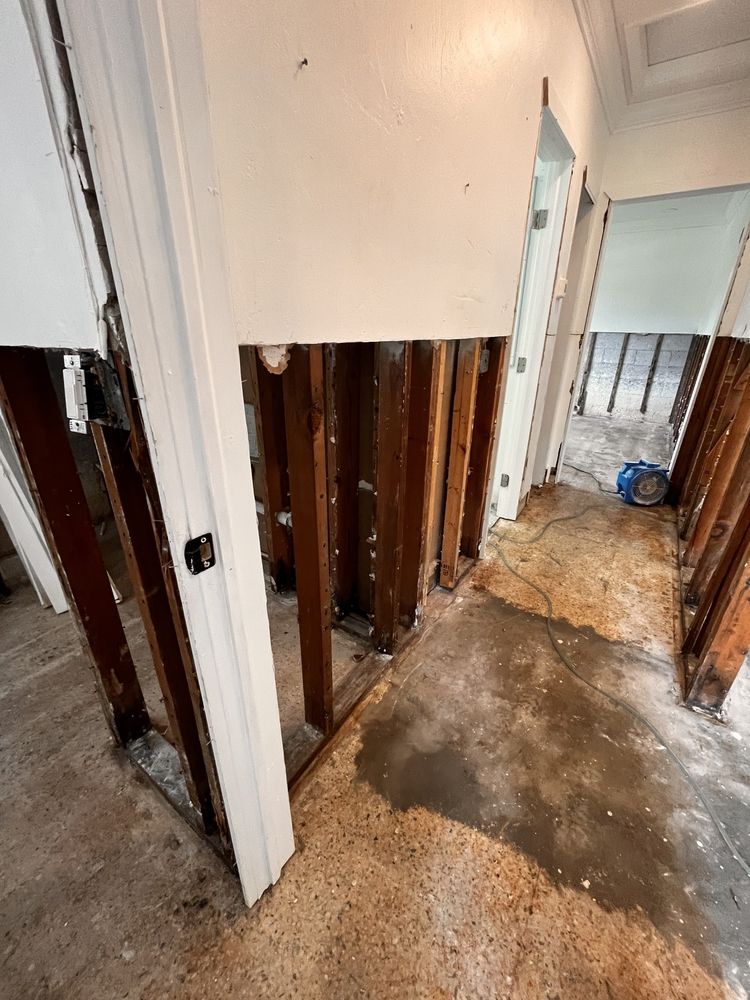
Floodwater extraction removes standing water first, then debris removal clears mud, damaged belongings, and materials too contaminated to salvage such as soaked insulation or particleboard that disintegrated during flooding. Structural drying equipment operates continuously for days or weeks depending on saturation levels, with moisture readings monitored until wood framing, drywall, and concrete foundations return to acceptable levels. Sanitization involves cleaning all surfaces that contacted floodwater and applying antimicrobial treatments to areas where organic contamination remains after initial cleaning.
Once restoration work completes, floors and walls no longer show water staining or mud residue, building materials feel dry and firm rather than spongy or crumbling, and the musty odor from standing water and wet organic matter is gone. Structural components regain their load-bearing capacity as moisture content drops, preventing the sagging floors and weakened framing that result when waterlogged wood stays wet. Interior spaces become safe to occupy again without concern about ongoing contamination or unstable building elements.
Complete flood restoration often requires removing and replacing drywall, flooring, and baseboards that absorbed contaminated water beyond the point where cleaning alone restores them to safe condition. Electrical systems and HVAC components submerged during flooding typically need inspection and potential replacement before reactivation. The full scope depends on flood depth, water duration, and how quickly extraction began after water levels receded.
Answers to Frequent Service Questions
Flooding from storms or rising water sources creates complex restoration scenarios that prompt detailed questions about process and safety.
What makes floodwater restoration different from other water damage cleanup?
Floodwater carries outdoor contaminants including sewage, chemicals, and bacteria that require sanitization and often material removal rather than just drying, while clean water from pipes can sometimes be dried in place without replacement if extraction happens quickly enough.
How long does structural drying take after floodwater is removed?
Drying timelines range from several days to multiple weeks depending on how deeply materials absorbed water, with concrete and hardwood taking longer to release moisture than drywall or carpeting, and continuous monitoring required to confirm drying rather than assuming a standard timeline.
Why does debris removal happen before drying equipment is set up?
Mud, silt, and damaged materials block airflow and hold moisture against building surfaces, preventing effective drying and creating conditions where microbial growth accelerates, so clearing debris allows equipment to work directly on structural components.
What happens if floodwater affected electrical outlets or wiring?
Electrical systems require inspection and testing before reactivation because water intrusion can damage insulation, create short circuits, and leave conductive residue even after visible water is gone, with replacement often necessary for submerged components rather than risking failure or fire hazards.
How does flood restoration in Waco account for future storm risks?
Restoration focuses on returning the property to pre-flood condition, though discussions about elevation, water barriers, and drainage improvements often happen during the process when property owners consider long-term mitigation alongside immediate repairs.
Lone Star Flood Restoration handles the full flood recovery process from initial extraction through final sanitization and rebuilding. Schedule a property assessment to document flood damage and develop a phased restoration plan for your specific situation.
