
Air Quality Returns After Mold Removal
Mold Remediation in Waco for properties with visible growth or elevated spore counts after moisture intrusion
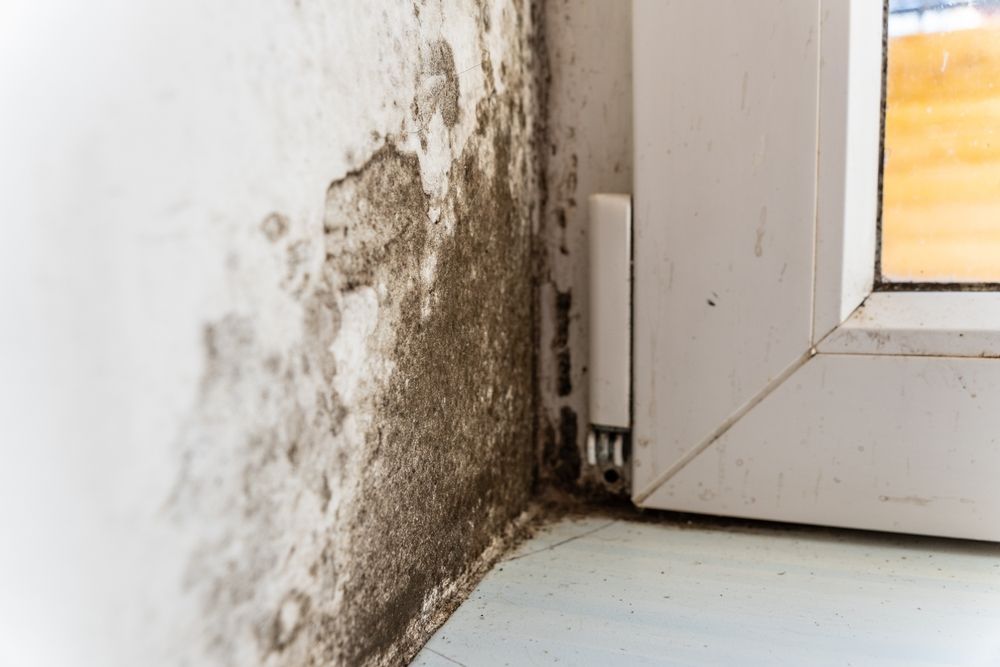
Mold colonizes drywall, insulation, carpet backing, and wood framing when relative humidity stays above 60 percent or when materials remain wet for more than 48 hours, releasing airborne spores that circulate through HVAC systems and settle on surfaces throughout the property. Safe removal requires containment barriers, negative air pressure, and HEPA filtration to prevent cross-contamination during demolition of affected materials. Lone Star Flood Restoration conducts mold inspections, containment, and safe mold removal in Waco, addressing growth that appears as black staining on drywall seams, green patches on bathroom ceilings, or white fuzz on basement joists. You get air quality improvement after contaminated materials are removed, surfaces are treated with antimicrobial agents, and the moisture source feeding the growth is corrected so colonization does not return.
Mold inspections use moisture meters and thermal imaging to locate hidden growth inside wall cavities or above ceilings where leaks may have gone unnoticed for weeks. Containment involves sealing affected rooms with plastic sheeting and creating negative air pressure with HEPA-filtered air scrubbers, so spores disturbed during demolition are captured before entering adjacent spaces. Safe mold removal includes bagging and disposing of porous materials like drywall and insulation, HEPA vacuuming non-porous surfaces like framing and ductwork, and applying antimicrobial treatments to residual staining that remains after cleaning.
Schedule a mold inspection to identify growth extent and determine whether remediation or simple surface cleaning is required for your specific situation.
Why Mold Source Correction Matters After Removal
Removing visible mold without addressing the underlying moisture problem results in regrowth within weeks—leaking pipes, roof penetrations, foundation cracks, or condensation from poorly insulated ducts continue feeding humidity into building materials, creating ideal conditions for spore germination. Moisture source correction involves repairing plumbing leaks, improving attic ventilation, sealing foundation gaps, or adding insulation to cold surfaces where condensation forms repeatedly. Air scrubbers equipped with HEPA filters and activated carbon run during and after remediation, capturing airborne spores and reducing musty odors caused by microbial volatile organic compounds released during mold metabolism.
After remediation finishes, you notice that musty smells disappear from previously affected rooms, visible staining no longer spreads along wall seams or ceiling corners, and respiratory irritation or allergy symptoms associated with poor indoor air quality diminish as spore counts drop to background levels. Post-remediation verification may include air sampling to compare spore concentrations inside the property against outdoor baseline readings, confirming that remediation successfully reduced contamination.
Remediation scope depends on whether mold is limited to surface growth on non-porous materials or has penetrated porous substrates—surface mold on bathroom tile can be cleaned and treated without demolition, while mold on drywall paper or inside insulation requires removal and replacement of affected materials. Humidity control following moisture correction prevents future growth, using dehumidifiers or improved ventilation to maintain indoor relative humidity below 50 percent year-round.
Common Concerns About Mold Removal
Property owners dealing with mold growth often ask about health risks, removal methods, and how to prevent recurrence after remediation completes.
What health effects are associated with indoor mold exposure?
Mold spores can trigger respiratory irritation, allergy symptoms, and asthma exacerbation in sensitive individuals, though reaction severity varies widely based on spore concentration, exposure duration, and individual health factors—removal reduces airborne spore counts and associated symptoms for occupants affected by poor indoor air quality.
How is mold containment maintained during removal?
Plastic sheeting seals doorways and vents in affected rooms, and negative air machines exhaust air outside through HEPA filters, creating lower pressure inside the containment area so airborne spores are drawn toward the filtration equipment instead of escaping into clean zones—Waco properties with open floor plans require more extensive barrier installation to isolate work areas effectively.
Why can't mold-stained drywall simply be painted over?
Paint traps moisture and spores between the coating and drywall surface, allowing continued growth beneath the finish and eventual paint failure as mold metabolizes the paper backing—affected drywall must be removed and replaced after framing dries completely.
What distinguishes safe removal from inadequate cleaning?
Safe removal includes containment to prevent cross-contamination, HEPA vacuuming to capture settled spores, disposal of porous materials that absorbed mold, and antimicrobial treatment of remaining surfaces—simply wiping visible growth with bleach does not address hidden colonization inside materials or prevent regrowth when moisture persists.
How long does mold remediation take for typical residential growth?
Small areas limited to one bathroom or closet may require one to two days for containment, removal, and cleaning, while whole-house contamination from prolonged leaks or flooding can extend to a week or more depending on the number of affected rooms and the extent of material removal required.
Lone Star Flood Restoration provides documentation after mold remediation detailing removed materials, moisture readings, and air quality observations to support insurance claims and property disclosures. Request a property evaluation to assess visible growth and determine the remediation approach appropriate for your mold contamination.
