
Flooding Stopped Before Damage Spreads Further
Emergency Water Removal in Waco for properties with standing water from sudden leaks or system failures
Standing water from a ruptured supply line or overflowing appliance spreads across floors, soaks into baseboards, and seeps under cabinets within minutes of the initial failure. Lone Star Flood Restoration responds to water emergencies with extraction equipment that removes pooled water and begins the drying process before saturation extends into wall cavities and subflooring. The service operates around the clock because water damage accelerates the longer materials remain submerged, with each passing hour increasing the scope of affected building components.
Emergency water removal uses high-capacity pumps and wet vacuums to clear standing water from all affected rooms, followed by moisture mapping to locate saturation in hidden areas where water has traveled through flooring seams or behind wall assemblies. Fast drying equipment deploys immediately after extraction to create airflow and reduce humidity levels, slowing the absorption process while a full restoration plan is developed.
Contact Lone Star Flood Restoration directly to dispatch extraction equipment and begin damage mitigation immediately.
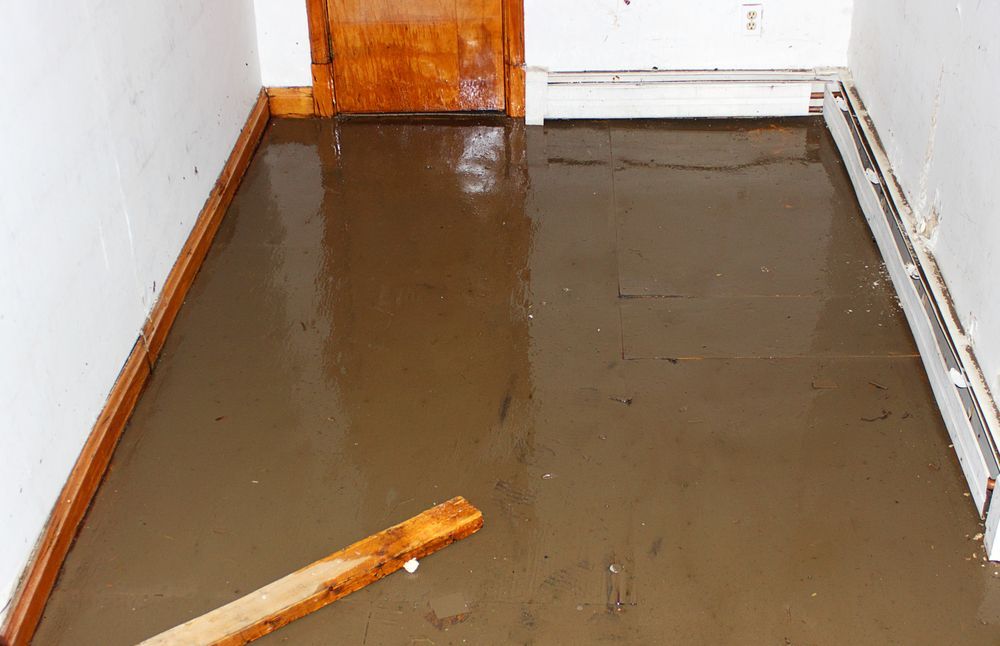
How Emergency Water Removal Addresses Active Flooding
Water extraction starts with removing visible standing water using truck-mounted pumps for large volumes or portable extractors for smaller areas and tight spaces. Moisture detection follows to identify where water has migrated into porous materials, using thermal imaging to reveal temperature differences that indicate wet zones behind surfaces. Air movers and dehumidifiers then begin reducing ambient moisture and pulling water from materials to prevent further absorption during the hours after extraction.
After extraction finishes and drying equipment runs for the first cycle, floors no longer hold standing water, carpets release liquid when pressure is applied instead of squishing underfoot, and air circulation prevents the stagnant humidity that accelerates material degradation. You'll see a measurable change in surface moisture within the first few hours, though complete structural drying continues over subsequent days as equipment operates continuously.
Damage mitigation during emergency water removal also includes moving contents away from wet areas, removing saturated materials that can't be salvaged, and documenting conditions for insurance purposes. The faster extraction begins, the more building materials can be dried in place rather than replaced, which directly affects both the timeline and cost of full restoration.
Common Questions About This Service
Emergency water situations create immediate concerns about response time and what happens during the first hours after arrival.
How quickly can emergency water removal begin after calling?
Response times in Waco typically range from one to three hours depending on time of day and technician availability, with 24/7 dispatch ensuring equipment reaches the property before water spreads further into unaffected rooms or building levels.
What equipment is used for standing water extraction?
Truck-mounted extractors handle large volumes of water across open floor areas, while portable wet vacuums and pumps remove water from closets, bathrooms, and spaces where larger equipment won't fit, ensuring all pooled water is addressed regardless of room layout.
Why does drying equipment need to stay running after extraction finishes?
Extraction removes visible water but leaves materials saturated with moisture that continues migrating deeper into building assemblies; dehumidifiers and air movers prevent that migration and begin reversing the absorption process immediately rather than waiting for ambient conditions to slowly dry materials over weeks.
What happens to furniture and belongings during emergency water removal?
Contents are moved to dry areas when possible, with saturated items like rugs and upholstery removed for separate drying or disposal if damage is too extensive, while hard surfaces are wiped down and elevated off wet floors to prevent wicking and staining.
How is moisture mapping different from just looking at wet floors?
Visual inspection shows surface water, but thermal imaging and moisture meters detect saturation inside walls, under flooring, and within ceiling assemblies where water has traveled through cracks and seams, revealing the full scope of affected areas that require drying equipment placement.
Lone Star Flood Restoration maintains emergency response capability to begin extraction and drying as soon as flooding is discovered. Call (254) 600-9907 to initiate immediate water removal and stop damage progression at your property.
