
Buildings Secured After Weather-Driven Water Intrusion
Storm Damage Water Restoration in Waco for properties affected by roof leaks, wind-driven rain, and severe weather flooding
Severe weather in Waco produces roof damage, window breaches, and wind-driven rain that forces water through building openings not designed to handle horizontal water pressure. Water enters through damaged shingles, compromised flashing, and gaps created when wind lifts roofing materials, then travels down into ceiling assemblies, wall cavities, and interior spaces. Storm damage water restoration addresses the water intrusion, dries affected structural components, and coordinates emergency protection like tarping to prevent additional water entry during the restoration period.
The service begins with roof leak water cleanup to remove standing water from ceilings, attics, and interior rooms, followed by structural drying of building materials saturated during the storm. Emergency tarping coordination happens when roof damage remains unrepaired and additional weather threatens, providing temporary protection while permanent repairs are scheduled. Interior restoration addresses ceiling staining, wall damage, and flooring affected by water that entered from above.
Schedule an evaluation to document storm water damage and determine the restoration approach required for your specific situation.
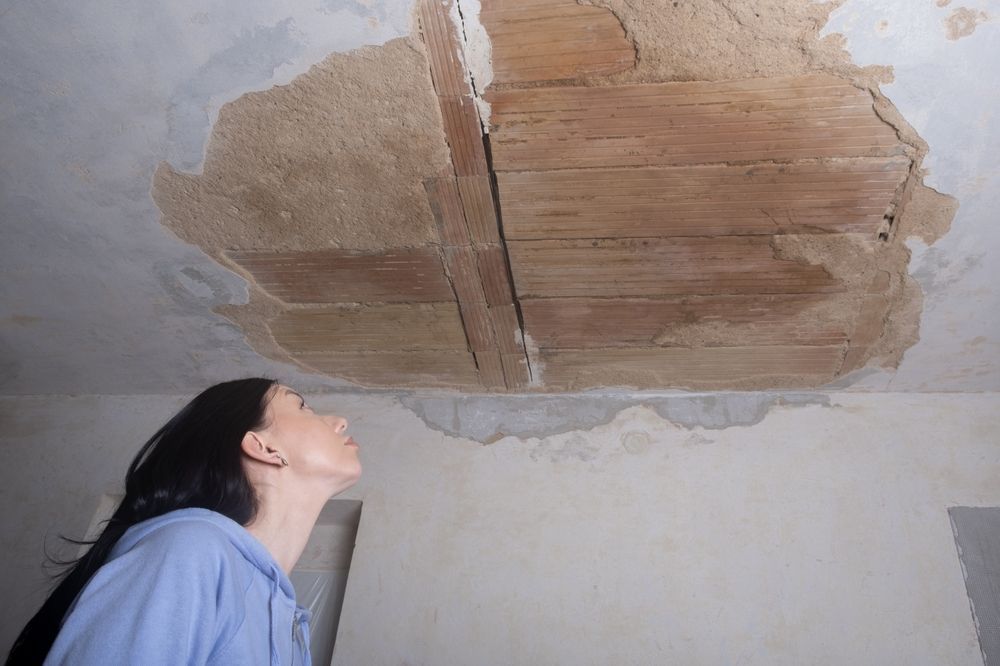
What Storm Water Restoration Actually Accomplishes
Storm flooding restoration involves extracting water that entered through breaches in the building envelope, then drying ceiling assemblies, wall studs, and insulation that absorbed water during or after the weather event. Structural drying equipment operates continuously with airflow directed into affected cavities, pulling moisture from materials before rot develops in wood framing or ceiling drywall collapses from sustained saturation. Moisture monitoring tracks readings in multiple building components to confirm drying rather than relying on surface conditions alone.
Once restoration work completes, ceilings no longer show water staining, sagging, or dripping, walls return to smooth and firm condition without soft spots indicating trapped moisture, and attic spaces dry out completely rather than maintaining the damp environment that supports mold growth and wood decay. Floors affected by water dripping from above no longer feel spongy or show cupping, and interior air clears of the musty odor that develops when storm water saturates building materials and sits without proper drying.
Interior restoration may include replacing ceiling drywall, repainting walls affected by water staining, and refinishing floors if storm water caused surface damage or finish failure. Emergency tarping provides temporary weather protection when roof repairs can't happen immediately, preventing additional water intrusion during the period between storm damage and permanent roof restoration.
Questions Before Starting Your Project
Storm damage creates uncertainty about hidden water intrusion and the steps needed to protect properties during ongoing repairs.
What does roof leak water cleanup involve when storm damage affects multiple rooms?
Cleanup addresses each affected area individually with extraction, moisture mapping to identify saturation paths where water traveled through the structure, and drying equipment positioned to target specific building cavities rather than just treating visible surface water.
How quickly does storm water restoration need to start after severe weather passes?
Restoration should begin within 24 to 48 hours to prevent materials from absorbing additional moisture from ambient humidity and to stop microbial growth that accelerates once organic building materials stay wet beyond that initial window.
Why does emergency tarping matter even after the storm ends?
Additional rain can enter through compromised roof areas before permanent repairs finish, causing repeated water intrusion that extends damage and requires starting the drying process over each time new water enters.
What happens if water from a roof leak saturates attic insulation?
Saturated insulation loses thermal performance and becomes too heavy for ceiling drywall to support long-term, often requiring removal and replacement rather than drying in place, particularly with blown-in cellulose or fiberglass that compacts and retains moisture.
How does wind-driven rain cause more interior damage than regular rainfall?
Wind pushes water horizontally through gaps, seams, and small breaches that normally shed water downward, forcing water past roofing defenses and into areas not designed to drain, which accelerates interior saturation compared to vertical rain that follows designed drainage paths.
Lone Star Flood Restoration manages storm water intrusion from initial extraction through complete structural drying and interior rebuilding. Contact us to begin restoration and coordinate temporary protection for properties still exposed to weather after storm damage occurs.
