
Facility Operations Resume After Water Events
Commercial Water Damage Restoration in Waco for offices, warehouses, and retail buildings facing business interruption from flooding
Water intrusion in commercial facilities affects inventory, equipment, tenant spaces, and customer access, compressing timelines for restoration that would be measured in weeks for residential properties into urgent, phased responses designed to limit revenue loss. Lone Star Flood Restoration provides large-scale water extraction, commercial dehumidification, and property restoration in Waco for office buildings, retail centers, and warehouse environments where production schedules, lease obligations, or seasonal sales periods create pressure to reopen affected zones. The work prioritizes high-value areas first, isolates damaged sections to keep unaffected spaces operational, and runs drying equipment around business hours to minimize disruption.
Commercial water extraction uses trailer-mounted pumps capable of removing thousands of gallons per hour from retail sales floors or warehouse bays where standing water covers wide square footage. Equipment drying focuses on HVAC systems, electrical panels, servers, and machinery that cannot simply be discarded and replaced—technicians disassemble components, remove trapped water, and apply desiccant drying or low-heat methods to sensitive electronics while structural drying proceeds in parallel. Business interruption reduction depends on segmenting the facility into zones, drying and restoring priority areas while maintaining access to unaffected sections, so partial operations continue even while restoration crews work on damaged quadrants.
Arrange a commercial damage assessment to review your facility layout and establish a phased restoration timeline that aligns with your operational priorities.
How Commercial Restoration Differs From Residential Work
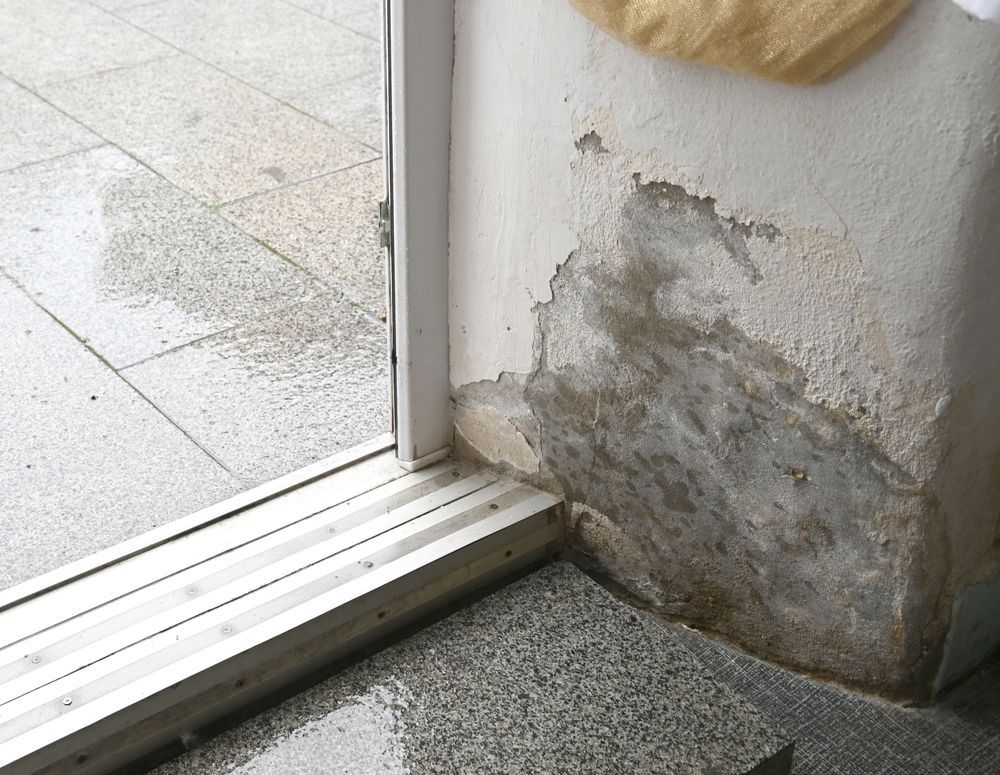
Commercial properties present moisture challenges absent in single-family homes—concrete slab foundations spanning tens of thousands of square feet retain water longer than wood-framed residential floors, suspended ceilings hide plumbing leaks until gallons accumulate above tiles, and multi-tenant buildings require coordination across occupied and vacant suites to prevent cross-contamination during drying. Large-scale dehumidification deploys units rated to process 200 to 400 pints per day, staged throughout the facility to maintain target humidity below 40 percent even as drying equipment evaporates trapped moisture into the air. Air movers are positioned to create circulation across open floor plans without obstructing aisles or exits, and power distribution is mapped to avoid overloading circuits when dozens of machines run simultaneously.
After drying completes, you see that stained ceiling tiles are replaced, warped flooring sections are pulled and reinstalled level, and walls no longer show tide marks or discoloration from wicking moisture. Equipment that was exposed to water is tested and certified dry before reconnection, and documentation is provided for insurance and tenant notifications showing moisture readings returned to pre-loss levels.
Restoration may include buildout reconstruction if water damaged demising walls, finishes, or built-in fixtures—drywall, flooring, and trim are replaced to match existing conditions, and affected areas are returned to certificate-of-occupancy standards. Property restoration timelines are documented with daily progress photos and moisture logs, supporting claims processing and tenant communication throughout the project.
Questions Commercial Property Managers Frequently Raise
Water damage in commercial spaces brings up concerns about tenant impact, equipment salvage, and how quickly operations can resume in affected areas.
How is water extraction handled in multi-story office buildings?
Truck-mounted extractors are stationed at loading docks or ground-level access points, with hoses run to upper floors through stairwells or service elevators—portable extractors supplement main units in areas where hose runs exceed effective lift distance or where water must be removed from interior rooms far from exterior access.
What determines whether flooded equipment can be saved?
Electronics exposed to clean water for brief periods can often be restored through disassembly, cleaning, and thorough drying, but equipment submerged in contaminated water or left wet for more than 48 hours typically suffers corrosion and microbial contamination that make restoration impractical compared to replacement costs.
How do you minimize business interruption during drying?
Work is phased to restore priority areas first, equipment runs during closed hours when possible, and affected zones are isolated with temporary barriers so unaffected sections remain accessible to staff and customers—Waco commercial clients often request overnight drying schedules to avoid disrupting daytime operations.
Why does commercial dehumidification require industrial-grade units?
Retail and warehouse spaces contain high ceilings, large air volumes, and minimal interior walls to trap conditioned air, requiring dehumidifiers with significantly higher processing capacity than residential models to reduce humidity across open floor plans where air circulation dilutes the effectiveness of smaller equipment.
What documentation is provided after commercial restoration?
Final reports include moisture readings from pre-mitigation and post-drying phases, photos documenting water extent and restoration progress, lists of removed materials and replaced components, and compliance statements confirming industry drying standards were met—used for insurance claims and tenant disclosures.
Lone Star Flood Restoration coordinates with property management teams to sequence restoration work around lease obligations and operational schedules, minimizing tenant relocations and access restrictions. Contact our team to discuss your commercial property damage and develop a restoration approach that prioritizes your specific business continuity needs.
