
Water Damage Restoration in Killeen, TX
A water emergency in Killeen, TX can happen without warning. A broken pipe, overflowing toilet, failed water heater, appliance leak, severe thunderstorm, or plumbing backup can put hundreds or thousands of gallons of water into a home or business.
Lone Star Flood Restoration provides professional water damage restoration in Killeen, TX, helping property owners respond quickly to water emergencies, remove standing water, dry affected areas, and begin the restoration process.
Killeen is one of the largest communities in Central Texas and is closely connected to Fort Cavazos and the surrounding Bell County communities. The city's location in Central Texas means properties can experience intense thunderstorms, heavy rainfall, high winds, and other severe-weather conditions. Killeen's own hazard-planning documents note that while the city is not near a major river or coastline, several smaller creeks are located within FEMA-designated 100-year and 500-year floodplains, and the city is more susceptible to excessive rain and severe weather than tropical storms.
Emergency Water Damage Cleanup in Killeen
Water damage can spread much farther than what is visible. Water may move beneath flooring, behind walls, under cabinets, through insulation, and into other parts of the building. The longer moisture remains trapped, the greater the potential for damage to building materials and personal belongings.
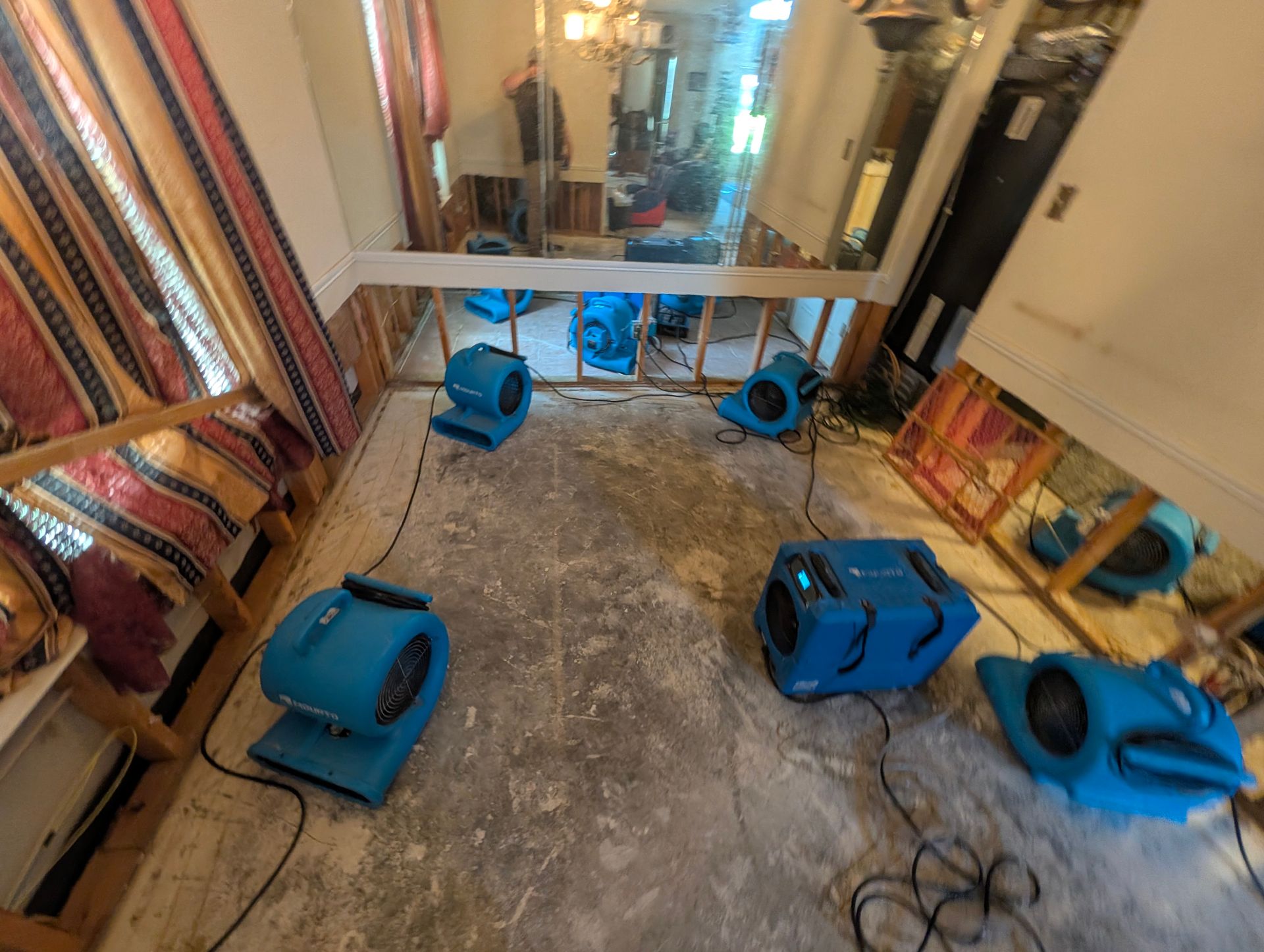
Lone Star Flood Restoration approaches each water emergency by identifying the source, assessing the affected areas, removing standing water, and establishing a controlled drying environment. Professional water damage restoration is more than simply placing fans in a room. The affected property needs to be evaluated for moisture in areas that may not be visible.
Common Water Damage Problems in Killeen
Water Extraction and Drying in Killeen, TX
Once water enters a property, professional extraction and drying can help limit the extent of the damage. Depending on the situation, Lone Star Flood Restoration may use water extraction equipment, air movement, dehumidification, moisture detection, cleaning, sanitizing, and other restoration procedures.
Our goal is to help return the property to a safe, dry condition and identify areas where water may have traveled beyond what can be seen. When materials are severely damaged, additional demolition, repairs, or reconstruction may be necessary.
We understand that water damage is stressful, especially for families, renters, landlords, and businesses that need to get back to normal quickly. Our team works to make the restoration process straightforward and keep property owners informed about what needs to happen next.
Serving Bell County and the Killeen Area
Lone Star Flood Restoration serves Killeen and communities throughout Bell County, including Harker Heights, Copperas Cove, Nolanville, Belton, and surrounding areas.
Our Central Texas service area also extends into surrounding counties and communities, including Coryell County, Lampasas County, Milam County, McLennan County, and Williamson County, depending on the location and project requirements.
Whether your Killeen property has experienced a plumbing leak, appliance failure, storm intrusion, sewage backup, or flooding, prompt professional attention can help reduce additional damage.
If you need water damage restoration in Killeen, TX, contact Lone Star Flood Restoration. Our team is ready to help with emergency water removal, drying, cleanup, and restoration throughout Killeen and the surrounding Central Texas area.
Questions Before Starting Your Restoration
Water damage situations vary widely depending on the source, volume, and duration of exposure, so property owners in Waco often ask about process details before work begins.
How quickly does water extraction need to start after flooding occurs?
Extraction should begin within the first 24 to 48 hours to prevent materials from absorbing additional moisture and to reduce the risk of microbial growth, which accelerates rapidly once organic materials stay wet beyond that window.
What does moisture detection involve during the restoration process?
Moisture meters measure water content in wood, drywall, and concrete at multiple points throughout drying, with readings compared against baseline standards to confirm when materials have returned to normal levels and equipment can be removed.
Why does structural drying take several days even after standing water is gone?
Building materials absorb water deeply into their core, and surface drying doesn't mean interior moisture has evaporated; dehumidifiers and air movers need continuous operation to pull moisture from within wall cavities, subfloors, and ceiling assemblies where airflow doesn't naturally reach.
What happens if hidden moisture isn't addressed during cleanup?
Water trapped inside walls or under flooring continues to degrade materials, causing wood rot, adhesive failure, and conditions that support mold colonization, often requiring more extensive repairs months later than if proper drying had been completed initially.
How does water damage restoration differ after a burst pipe versus a roof leak?
Burst pipes typically release clean water under pressure that spreads quickly across floors, while roof leaks introduce water slowly over time and may carry debris or contaminants from the roof surface, affecting both the drying approach and the need for sanitization during cleanup.
Lone Star Flood Restoration provides moisture monitoring and complete structural drying to bring properties back to stable conditions after water intrusion. Request an evaluation to document current moisture levels and outline the restoration timeline for your specific situation.
